
LOCKPICKTOOL
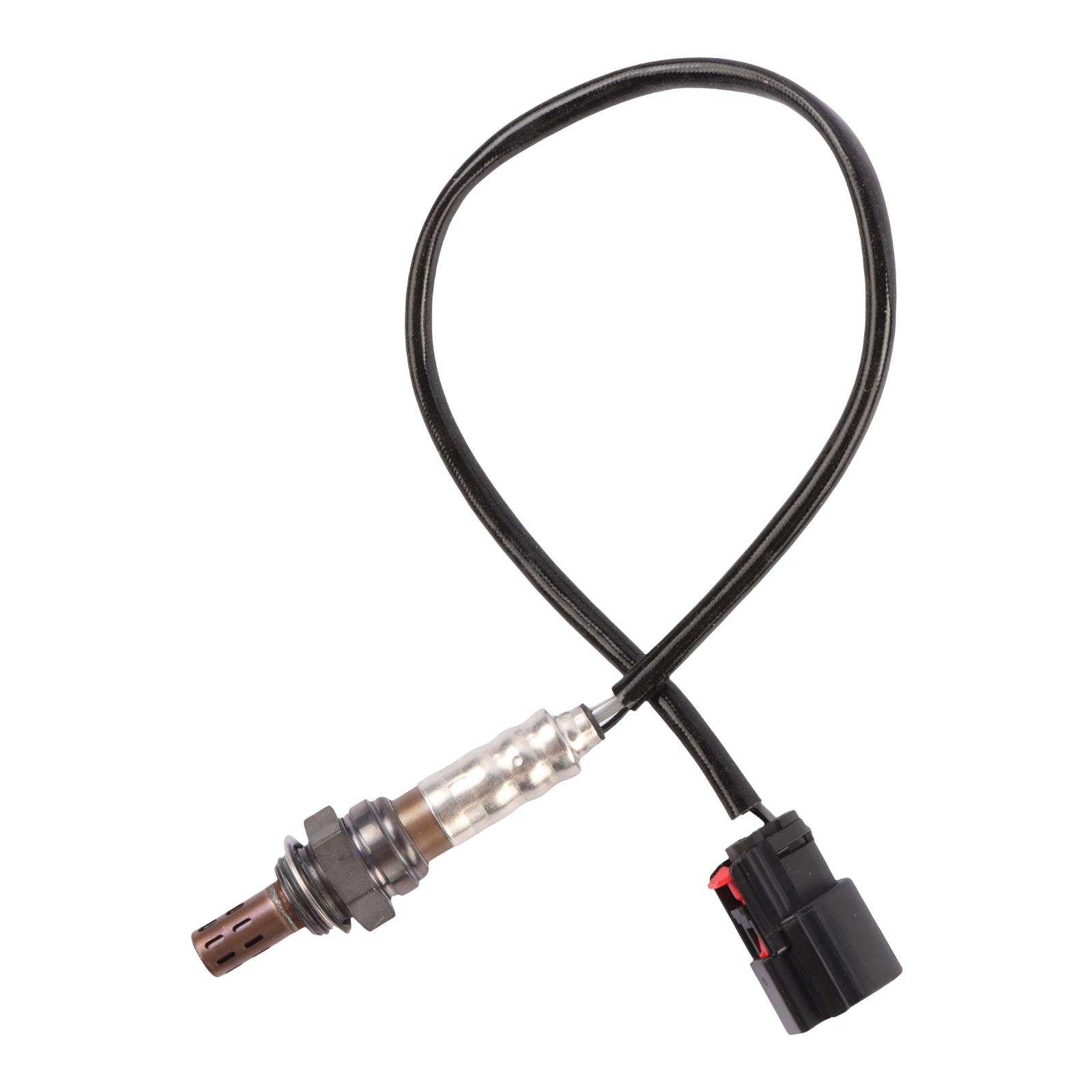
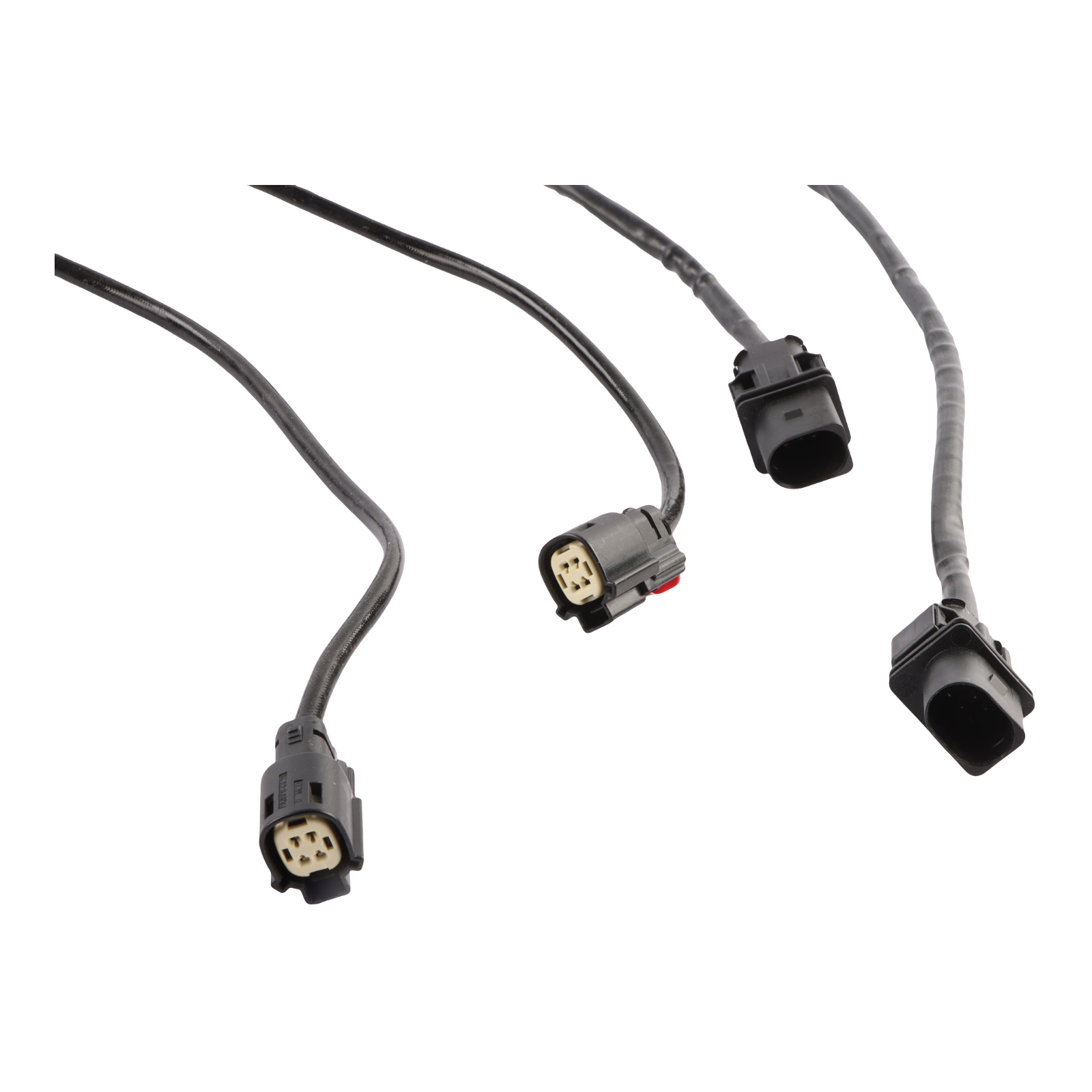
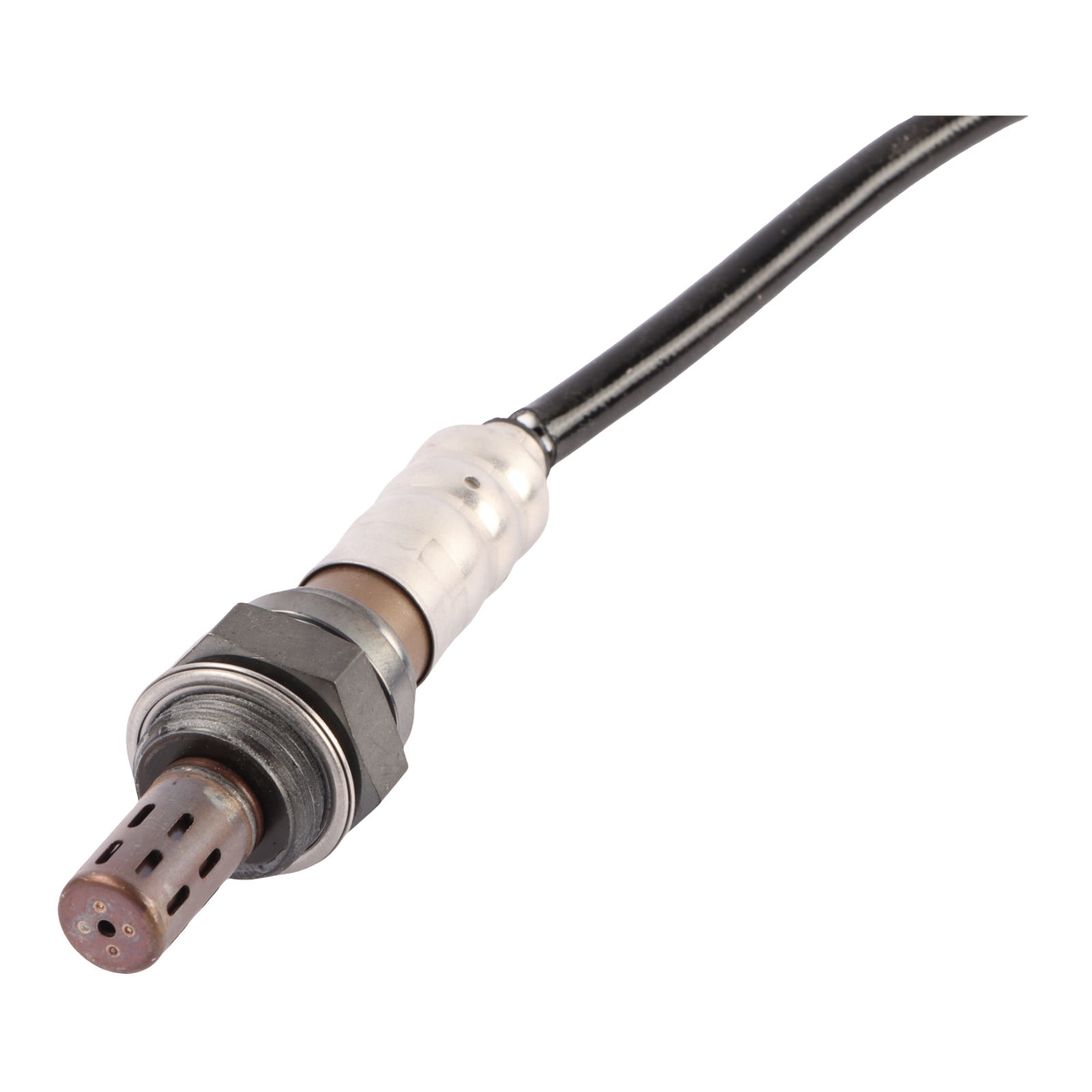
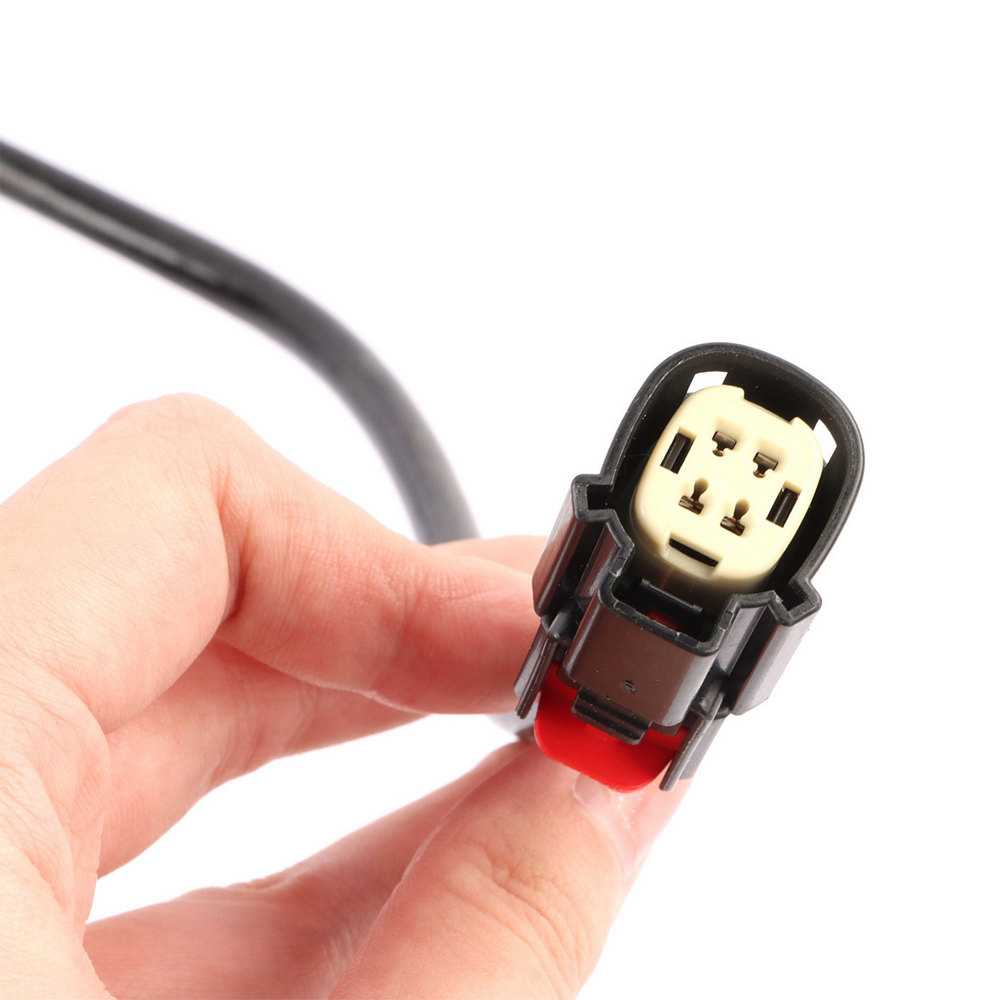
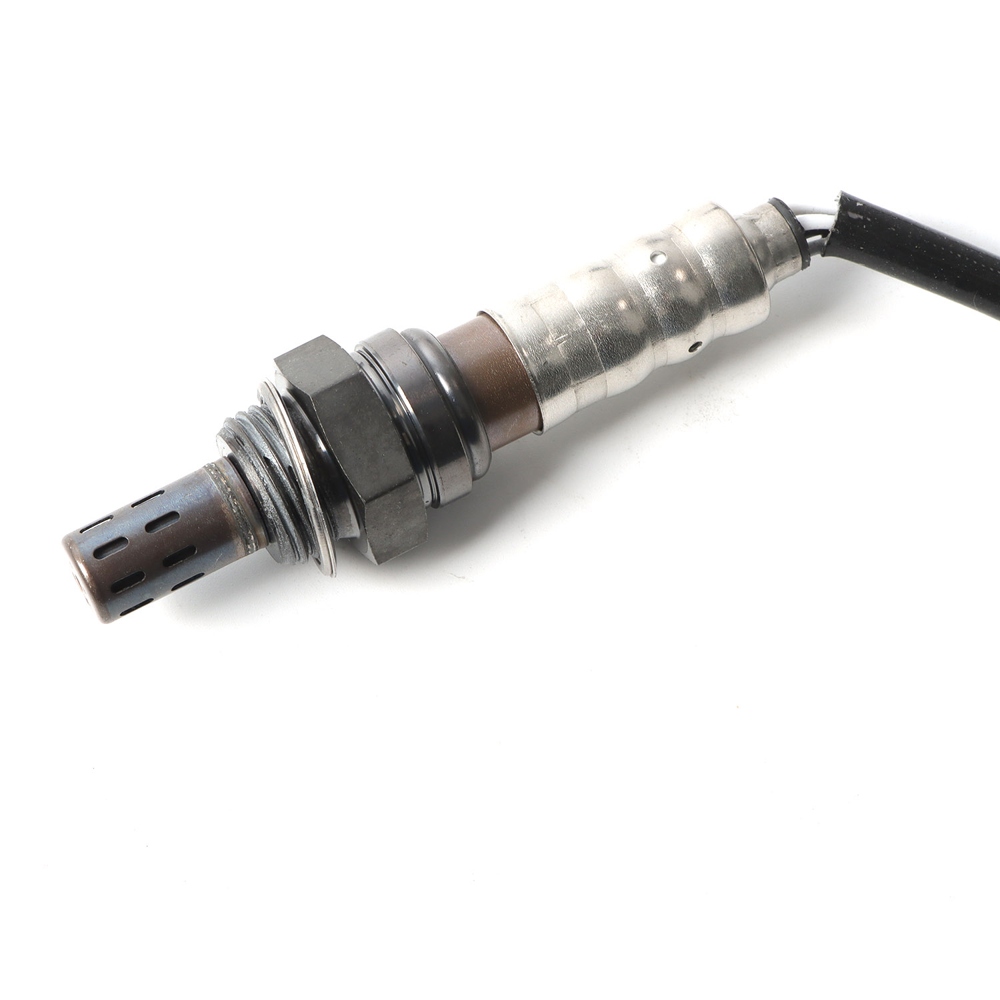
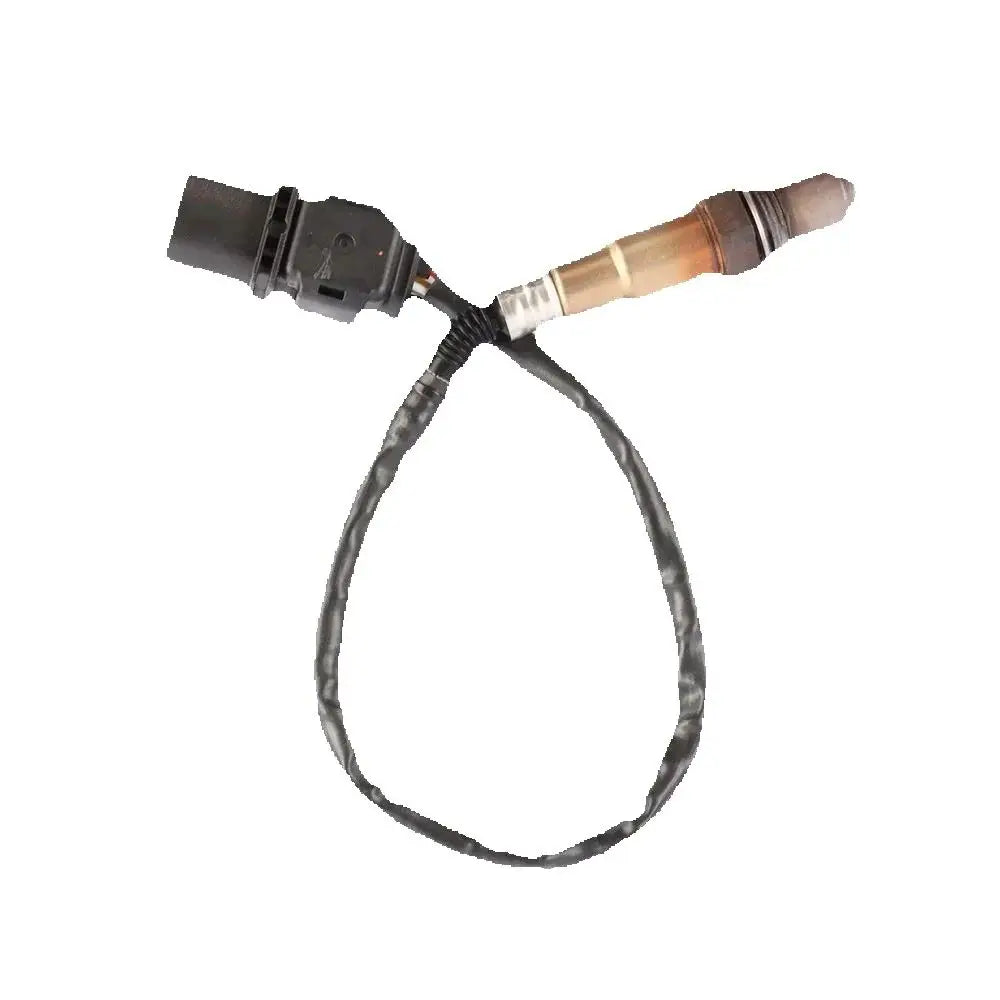
4pc O2 Oxygen Sensor 234-5076 234-5113 234-4490 FOR Ford F-150 3.5L 2011-2014 Up Downstream Automobile Sensors
4pc O2 Oxygen Sensor 234-5076 234-5113 234-4490 FOR Ford F-150 3.5L 2011-2014 Up Downstream Automobile Sensors
In stock
-
All orders are dispatched the next business day!
-
We will beat any price. We back all products with a 1 year guarantee.
Order in the next 0 hours 0 minutes to get it by /08/2026
Couldn't load pickup availability
Guaranteed Safe Checkout
Package Includes:
-
O2 Oxygen Sensor 234-5076 (Upstream/Downstream) x1
-
O2 Oxygen Sensor 234-5113 (Upstream/Downstream) x1
-
O2 Oxygen Sensor 234-4490 (Upstream/Downstream) x2
OEM/Cross Reference Part Number:
-
234-5076
-
234-5113
-
234-4490
Compatible Vehicles
-
fit for 2011-2014 Ford F-150 3.5L Turbocharged
Installation Information
-
Disconnect negative battery terminal.
-
Safely lift and support the vehicle.
-
Locate the oxygen sensors on the exhaust system.
-
Disconnect the electrical connector from the existing sensor.
-
Use an appropriate socket wrench to remove the old sensor.
-
Apply anti-seize compound to the threads of the new sensor (if recommended by sensor manufacturer).
-
Thread the new oxygen sensor into the exhaust pipe and tighten to the manufacturer's specified torque.
-
Connect the electrical connector to the new sensor.
-
Repeat for all sensors.
-
Reconnect the negative battery terminal.
-
Start the engine and check for proper operation and any diagnostic trouble codes.
Important Notes
-
- Ensure vehicle compatibility before purchasing.
-
- Professional installation is recommended.
Description
Description
Package Includes:
-
O2 Oxygen Sensor 234-5076 (Upstream/Downstream) x1
-
O2 Oxygen Sensor 234-5113 (Upstream/Downstream) x1
-
O2 Oxygen Sensor 234-4490 (Upstream/Downstream) x2
OEM/Cross Reference Part Number:
-
234-5076
-
234-5113
-
234-4490
Compatible Vehicles
-
fit for 2011-2014 Ford F-150 3.5L Turbocharged
Installation Information
-
Disconnect negative battery terminal.
-
Safely lift and support the vehicle.
-
Locate the oxygen sensors on the exhaust system.
-
Disconnect the electrical connector from the existing sensor.
-
Use an appropriate socket wrench to remove the old sensor.
-
Apply anti-seize compound to the threads of the new sensor (if recommended by sensor manufacturer).
-
Thread the new oxygen sensor into the exhaust pipe and tighten to the manufacturer's specified torque.
-
Connect the electrical connector to the new sensor.
-
Repeat for all sensors.
-
Reconnect the negative battery terminal.
-
Start the engine and check for proper operation and any diagnostic trouble codes.
Important Notes
-
- Ensure vehicle compatibility before purchasing.
-
- Professional installation is recommended.
Item Specifics
Item Specifics


Have a Question?
Powering Your Potential: Where Innovation Meets Convenience!
-
Focus on Benefits:
A well-crafted product description not only informs potential buyers about the features and benefits of your offering but also captivates their interest and compels them to make a purchase.
-
Know Your Audience: